Skip to content
SKYFLEX Get a Quote

Bridge & Infrastructure Inspections

Drone-captured visual layer for NBIS inspections. Defect imagery indexed to element and span.

Inside the deliverable

Every span documented. No lane closed.

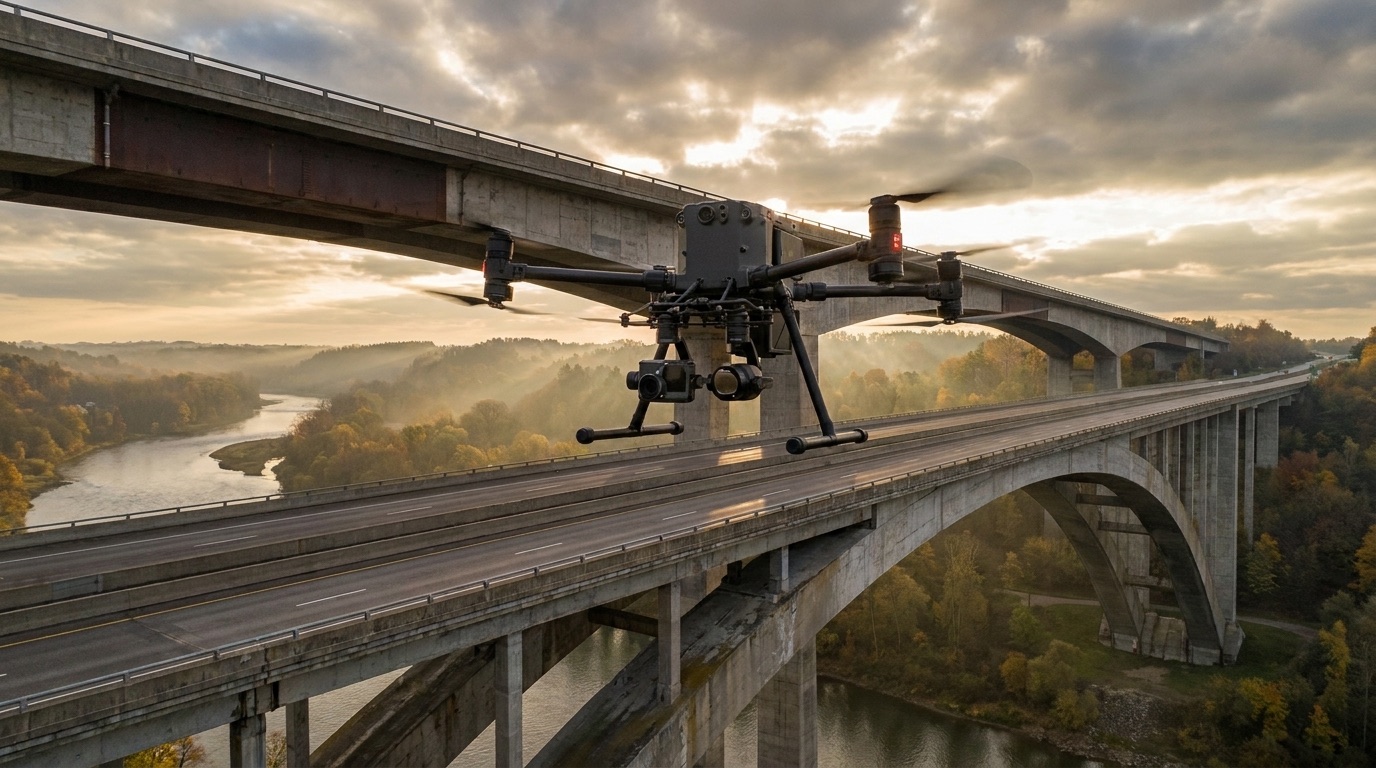
Standoff aerial capture builds the visual layer for NBIS inspections — defect imagery indexed to element and span, without snoopers, scaffolds, or traffic control.

Survey drone inspecting a concrete arch bridge over a river valley Deck & jointselement-indexed imagery Piers, arch & bearingsno lane closure Standoff capturetraffic keeps moving
  • Deck & jointselement-indexed imagery
  • Piers, arch & bearingsno lane closure
  • Standoff capturetraffic keeps moving
How bridge & infrastructure inspection helps your business

Four steps from your problem to your win.

Your problem

Bridge or large-structure inspection traditionally requires rope access, snoopers, or lane closures.

Each inspection: weeks of planning, traffic control, climbing crews, snooper rentals. Cost and disruption stack up fast.
What we capture

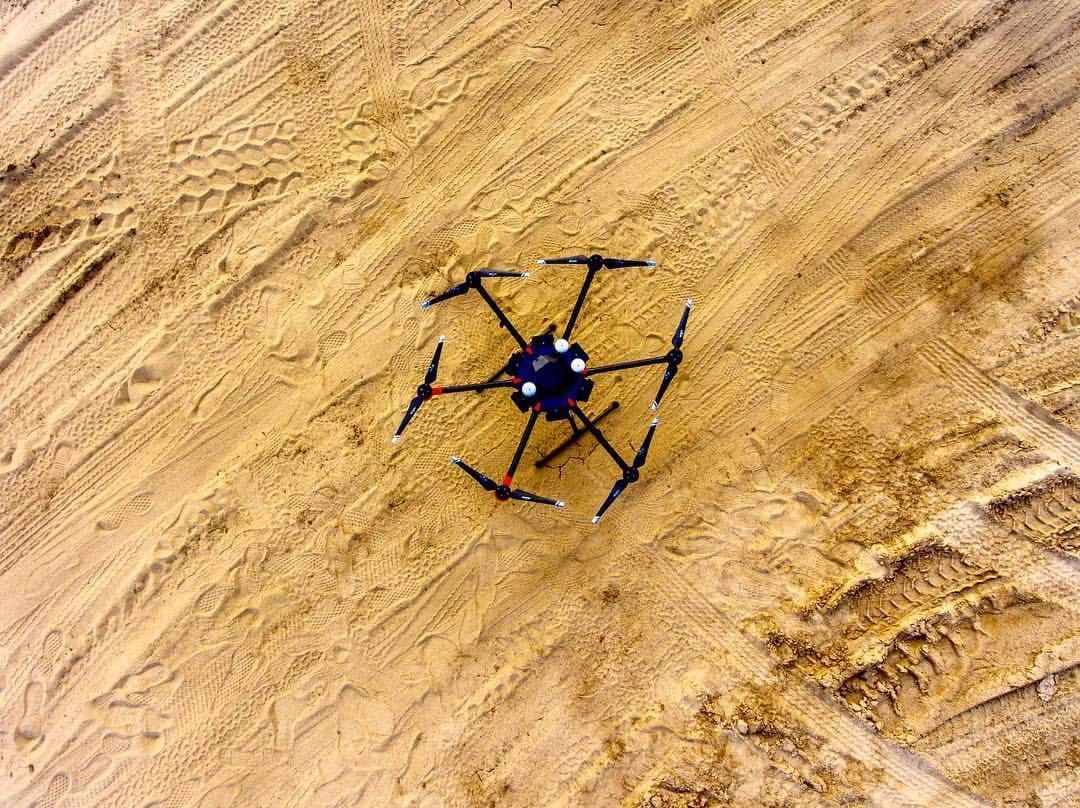
Our drone flies under, over, and around the structure: 4K video, photos, photogrammetry.

Reaches places climbers can't. Captures the full structure in hours. No lane closures, no climbing crews.
The deliverable

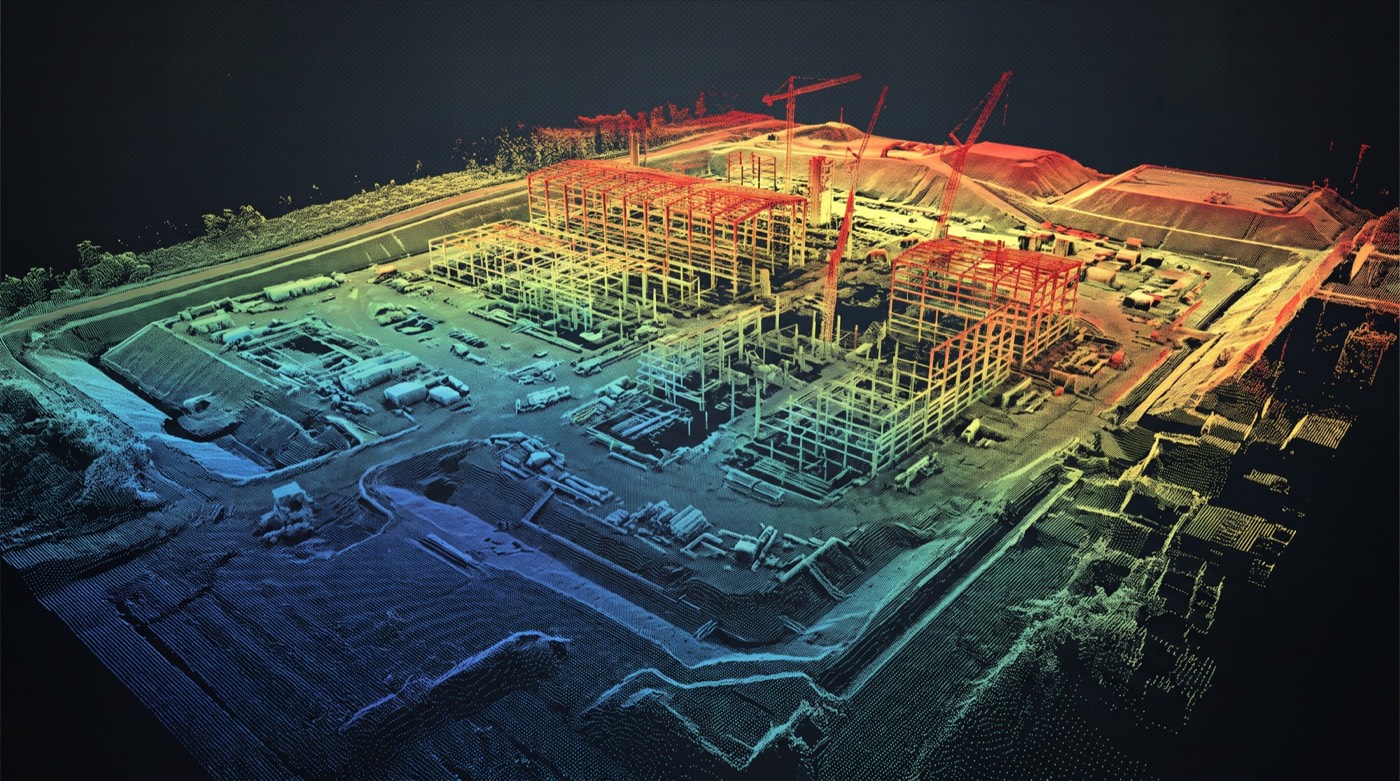
Annotated visual inspection + 3D model + condition report.

Every spall, crack, corrosion site, joint movement: documented and located on the model. Comparable across years.
How it pays off

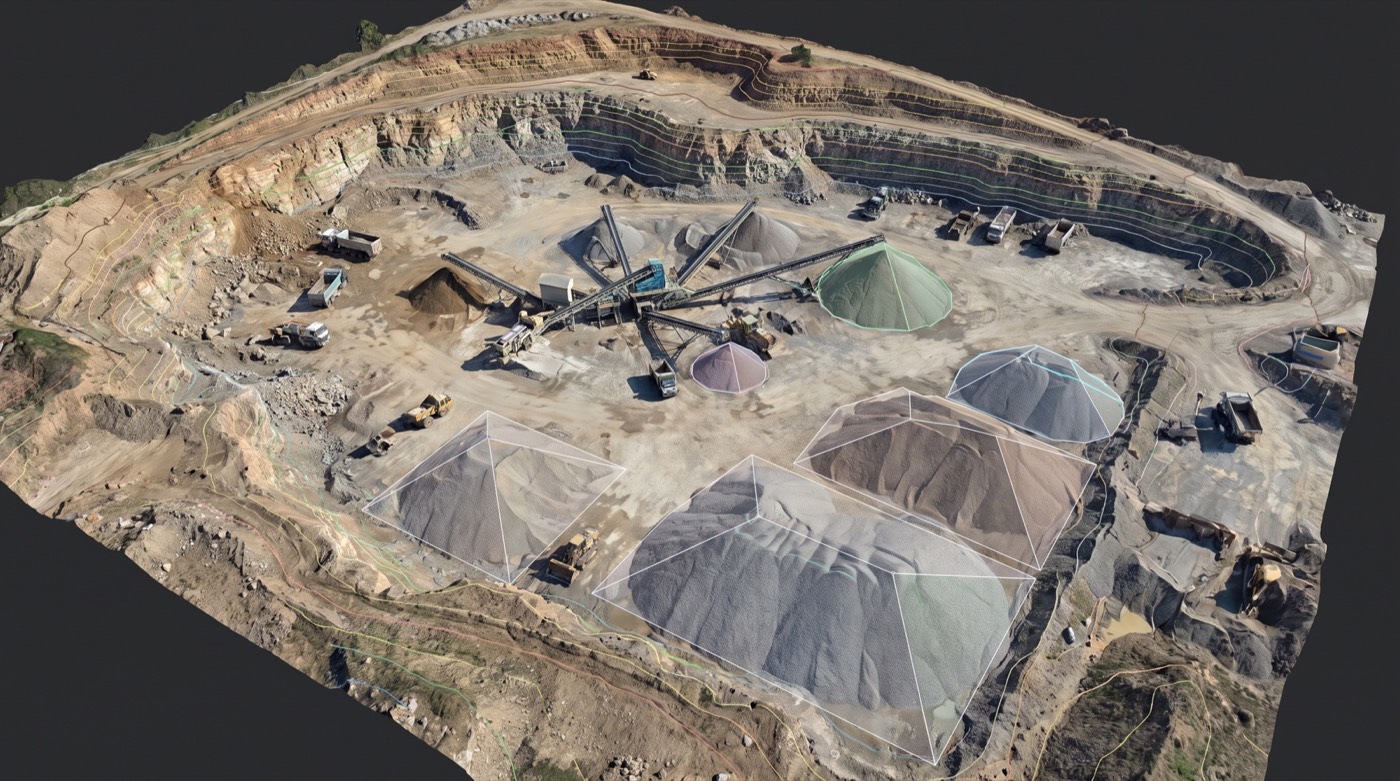
Faster inspections, lower cost, better documentation: and a 3D baseline for year-over-year tracking.

Compliance-grade documentation. Decisions backed by spatial data, not memory. NBIS-ready visual layer.

A drone replaces the snooper truck, the rope-access crew, and the ladder for the close-up visual portion of a bridge inspection. We fly under decks, around piers, over cable anchorages, and along girders, capturing high-resolution defect imagery that your qualified inspector reviews back at the desk. Less lane closure, less rigging, less crew exposure: same defect record the inspector needs to do the call.

Honest scope: drones supplement, they don’t replace

FHWA’s National Bridge Inspection Standards (23 CFR 650 Subpart C) define what a routine, fracture-critical, or in-depth inspection requires: and some of those activities (auditory sounding, live-load observation, certain hands-on element evaluations) are not things a drone can do. Skyflex doesn’t position drone capture as a replacement for those. We position it as the close-up visual layer that frees your qualified inspector to focus on judgment calls, with a denser and more reviewable defect record than a binocular pass alone produces. The inspector still owns the rating.

What we deliver after a bridge inspection mission

  • High-resolution defect imagery indexed to element and span: your inspector can pull up every spalled area, hairline crack, exposed rebar, or coating failure they need to evaluate.
  • Annotated PDF condition report with location callouts and severity coding, formatted for your bridge management system.
  • 3D photogrammetry model of the structure (optional) for measurement, change-over-time comparison across re-inspections, or stakeholder review.
  • Video walkthroughs of any flagged area: context shots that put a still photo in the right place.
  • Ortho elevations of piers and abutments: measurable, scaled, georeferenced.
  • Optional thermal payload for concrete deck delamination surveys when subsurface defects are in scope.

The hardware

We fly obstacle-aware professional camera drones with high-resolution sensors and zoom optics for close-in girder and connection inspection. The zoom matters: we can hold a safe distance from a structural element and still get a forensic-grade image of the defect. For concrete deck delamination work, a separate thermal payload joins the mission: early-morning capture window before the deck warms unevenly is part of the standard procedure.

The questions buyers ask first

  • Will this count toward NBIS-compliant inspection elements? Drone capture is the visual layer of the inspection record. It does not satisfy required auditory or live-load activities. Your inspector still performs those and signs the report.
  • What are your inspector’s qualifications? Skyflex flies the drone; defect identification and rating calls are made by qualified inspection personnel: either yours or a coordinating engineering partner. We scope the inspector arrangement during quoting.
  • Does the deliverable integrate with our bridge management system? Imagery is exported indexed to element and span and formatted for ingest into your BMS or asset register.
  • Traffic control needs? Far less than a snooper. Most flights happen from a shoulder or right-of-way without lane closure. Long-span work over high-volume roadways may still require a temporary closure window coordinated with your traffic engineer.
  • Lighting and weather windows? Concrete-deck thermal work requires specific time-of-day; routine visual work is far more flexible: overcast often produces the best deck imagery (no harsh shadows on the elements).

Who buys bridge inspection capture

State Departments of Transportation, county and municipal bridge owners, rail bridge owners, port authorities, and private-bridge industrials. Portfolio owners with hundreds or thousands of structures see the largest savings: drone capture lets routine close-up visuals be collected on a faster cadence than the rope-access or snooper economics would otherwise allow.

How it’s priced

  • Per-structure flat fee scaled by structure type, span count, complexity, and required deliverables
  • Mobilization fee for travel and any required traffic-control coordination
  • Portfolio pricing available for owners with multiple bridges on a coordinated inspection schedule: mobilization amortizes across the program
  • Thermal delamination surveys add a line item when subsurface concrete work is in scope

Ready to start your mission?

Our FAA-certified pilots are ready to deploy. Get your free site assessment today.