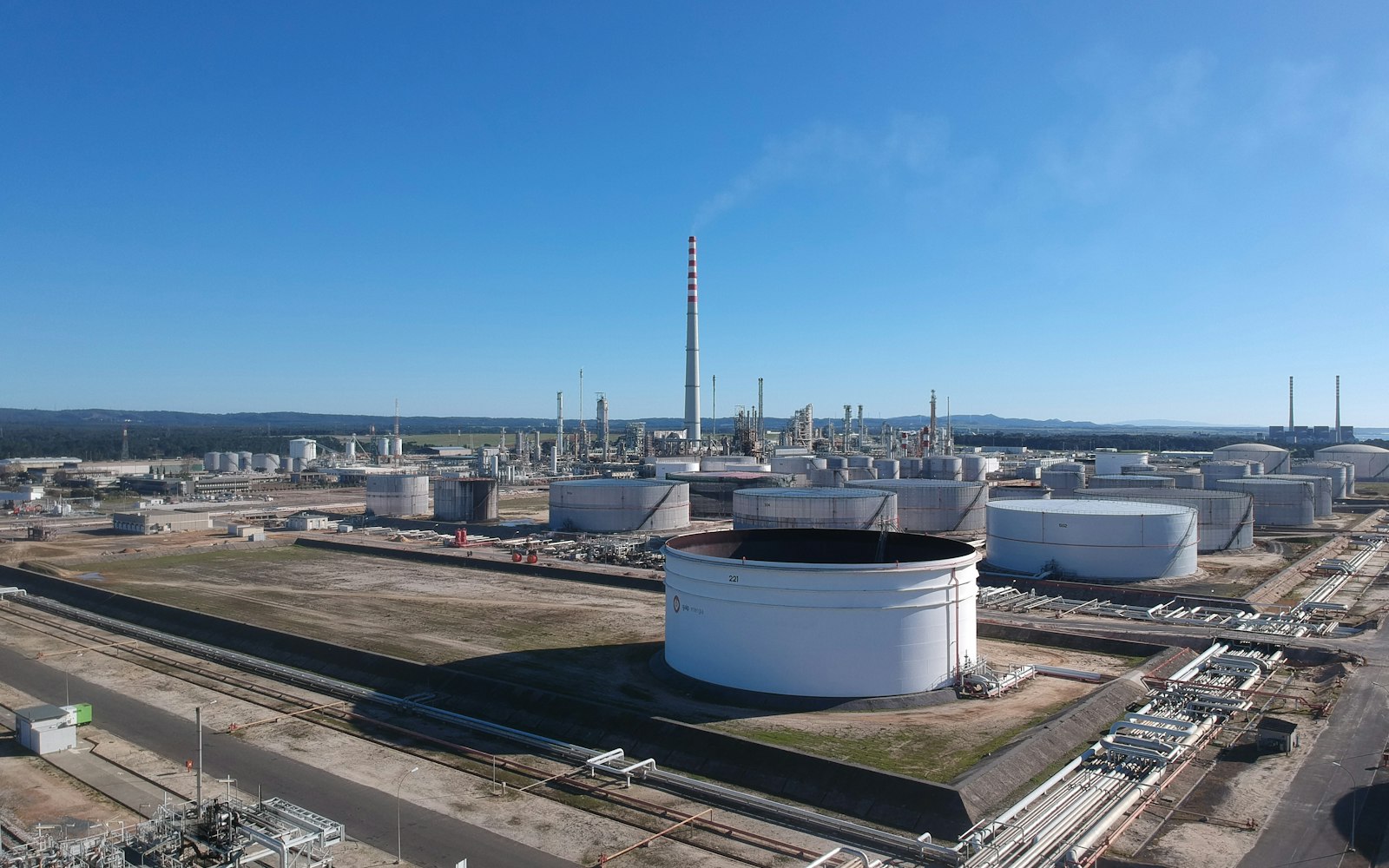
Your problem
You need to inspect a tank, silo, vessel, or duct: but sending a person inside is dangerous and slow.
Confined-space entry permits, rescue plans, atmospheric testing, lockout/tagout: every entry is expensive and risky.
Caged drone inside tanks, vessels, silos, stacks. Reduces or eliminates manned entry for inspections.
Confined-space entry permits, rescue plans, atmospheric testing, lockout/tagout: every entry is expensive and risky.
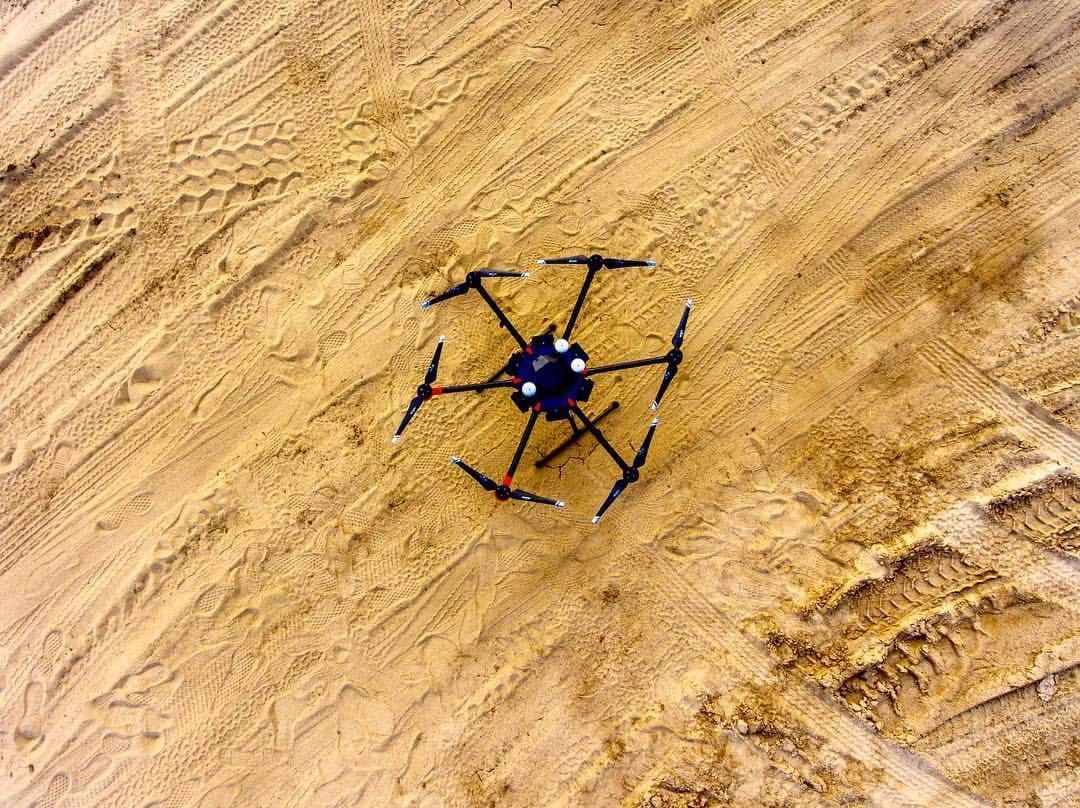
Built for GPS-denied environments. Stable in tight spaces. LED-lit for total darkness.
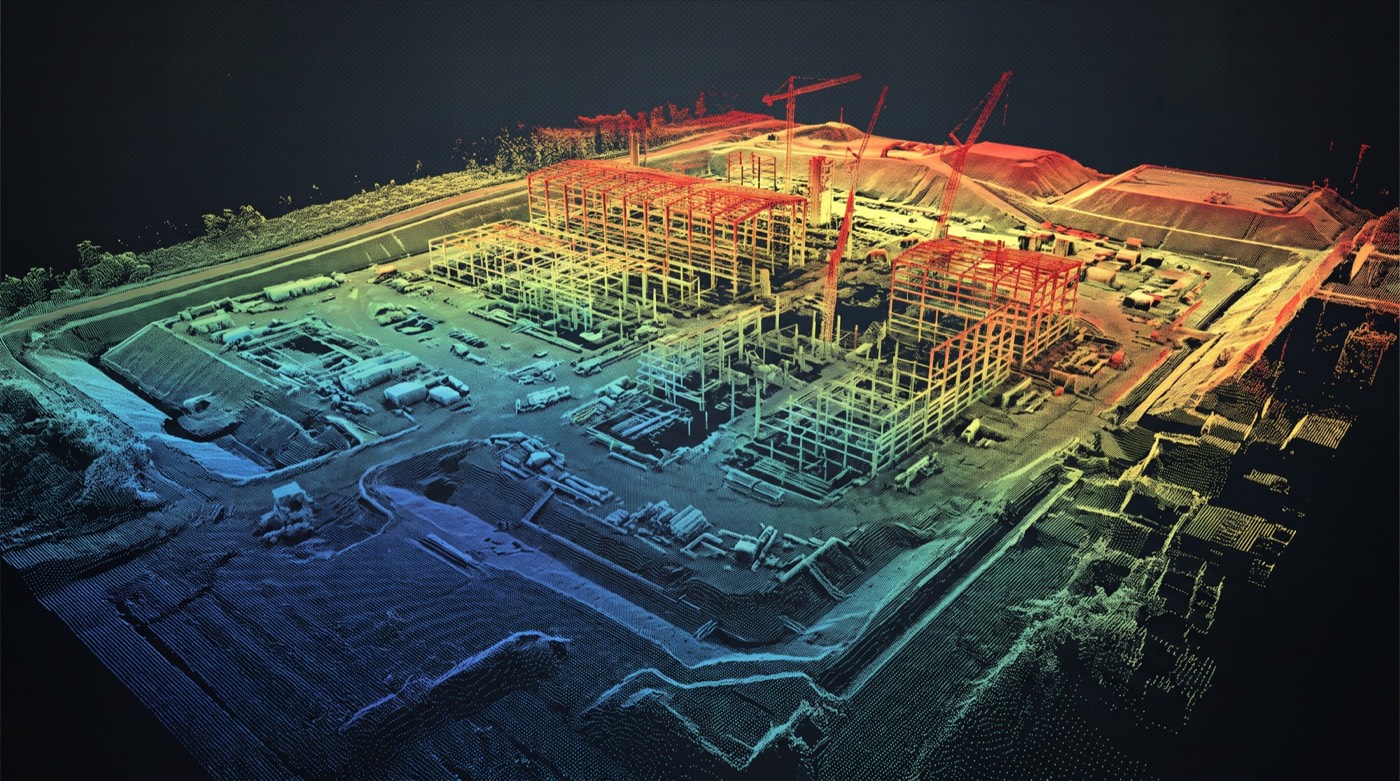
Walls, ceiling, floor, weld seams, internal structures. Marks rust, cracks, coatings failures, and obstructions.
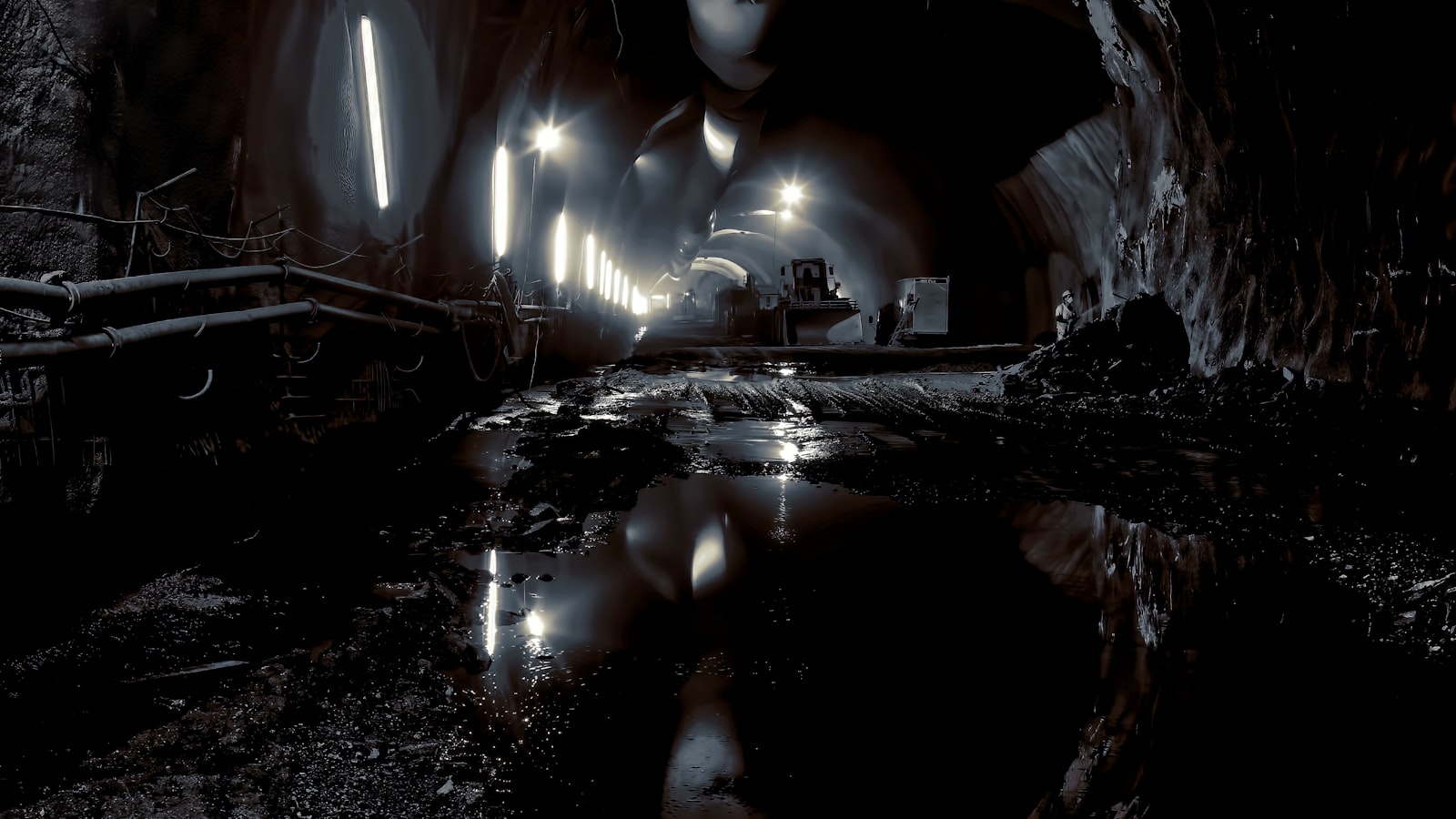
No entry permit needed for the drone. No rescue team standby. No production downtime to vent and isolate.
Tanks, vessels, silos, stacks, and sewers don’t have to be entered by people to be inspected. A caged, collision-tolerant drone with onboard lighting flies the interior while your crew watches the video feed from outside the manway. No scaffolding. No rope access. No permit-required confined-space entry for the inspection itself.
The caged inspection drones we operate are designed for visual interior survey and are not ATEX or intrinsically-safe certified. They fly inside spaces that have been cleaned, inerted, ventilated, and atmospherically tested to non-hazardous conditions. If your vessel is in operation, hot, or holds a flammable atmosphere, the inspection requires a separately scoped engagement on a certified intrinsically-safe platform: not the standard offering. We’ll tell you that upfront on the scoping call.
OSHA 29 CFR 1910.146 (general industry) and 1926 Subpart AA (construction) govern the space, not the inspection method. A drone-based interior survey eliminates or sharply reduces the manned entry, but it doesn’t remove your obligation to identify the space, control hazards, and document the program. We work within whatever permit-required confined-space procedure your safety team runs; we don’t replace it.
Oil & gas operators, chemical and petrochemical plants, power generation facilities, water and wastewater utilities, marine vessel operators, grain and bulk-storage operators, and mining. Each industry’s acceptance criteria differ: pipeline operators care about API 653 alignment, water utilities want NSF-certified workflows on potable storage, etc. We scope per asset to whatever your integrity program requires.
Our FAA-certified pilots are ready to deploy. Get your free site assessment today.