Your problem
You suspect a building, panel, or system is losing energy: but you can't see heat.
Wet roof insulation, missing wall insulation, overheating breakers, failing solar cells. Invisible until it fails.
Radiometric temperature per pixel. Non-contact diagnostic for electrical, roofs, mechanical, envelopes.
Radiometric FLIR reads an exact temperature at every pixel, so one failing component reads hot against a cool baseline — located, quantified, and severity-ranked before it takes the system down.
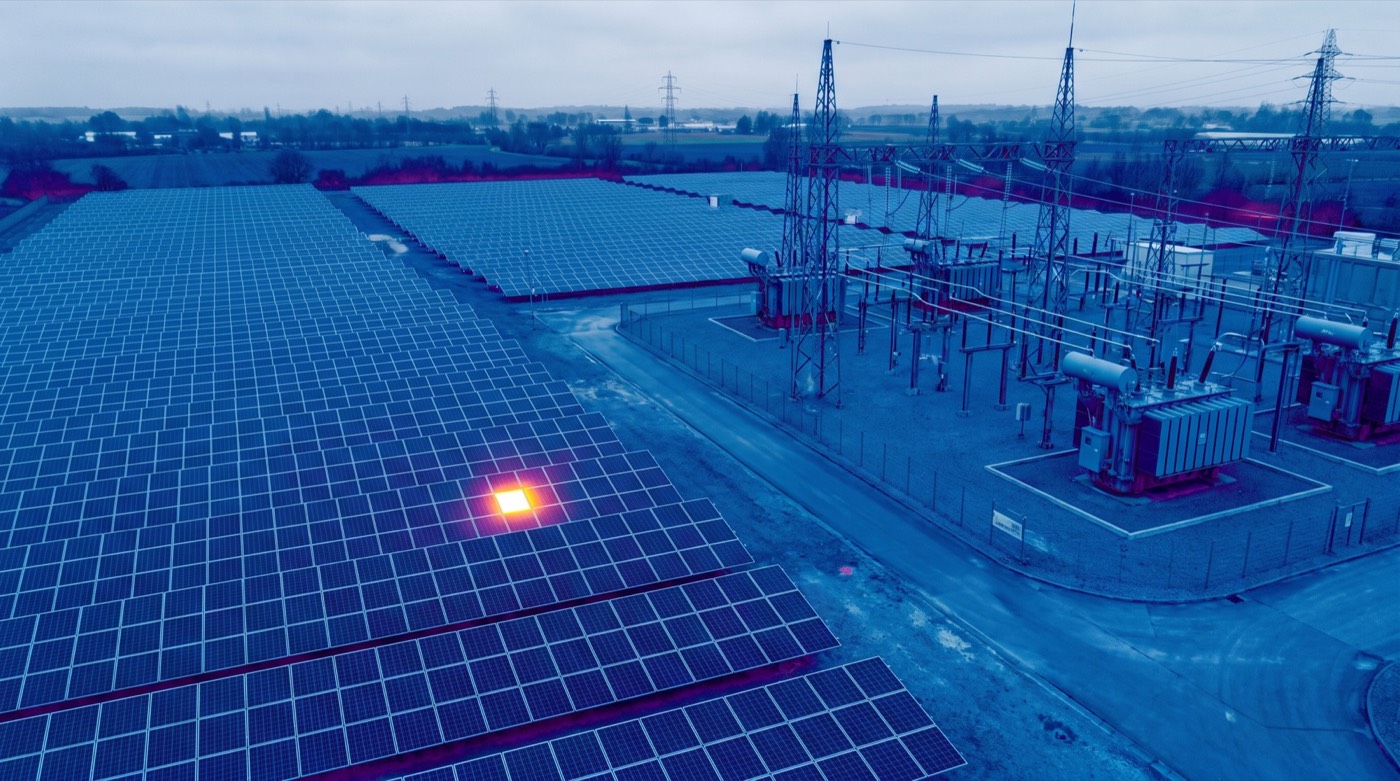 Hot component+19 °C anomaly
Radiometric baseline°C / pixel
Transformer signaturenon-contact
Fault locatedseverity-ranked
Hot component+19 °C anomaly
Radiometric baseline°C / pixel
Transformer signaturenon-contact
Fault locatedseverity-ranked
Wet roof insulation, missing wall insulation, overheating breakers, failing solar cells. Invisible until it fails.
Resolution down to fractions of a degree. Captured at the right time of day for max contrast.
False-color thermal imagery overlaid on visual photography. Identifies specific panels, rooms, breakers, or roof zones for follow-up.
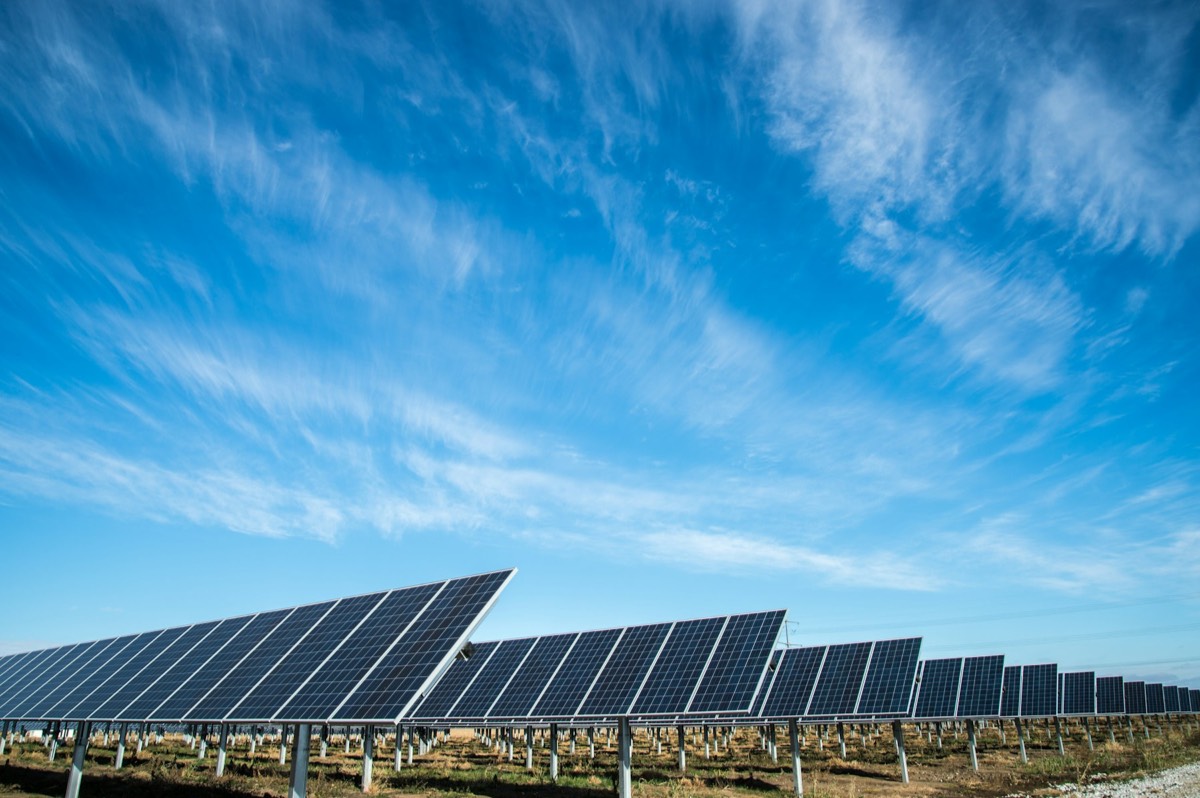
Pays for itself the first time you avoid a roof tear-off, replace a failing breaker before fire, or recover lost solar output.
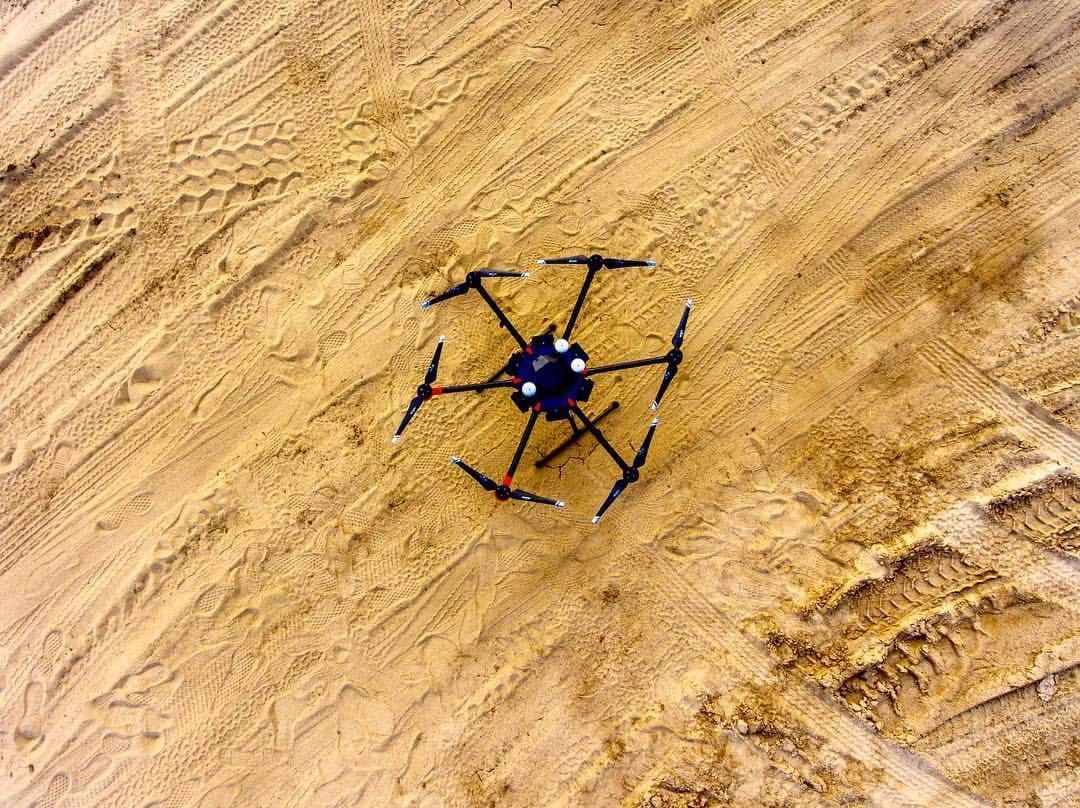
A radiometric thermal camera doesn’t just take a “heat picture”: it measures the surface temperature of every pixel in the frame. Mounted on a drone, that turns into a non-contact diagnostic tool: failing electrical connections, flat-roof water intrusion, missing insulation, leaking steam lines, stressed mechanical equipment: all of it shows up as a temperature anomaly long before it becomes a failure.
For diagnostic work we fly radiometric thermal sensors at 640×512 resolution or better, paired with a visible-light camera for spatial context on every frame. Higher resolutions push the small-defect detection limit further out: useful for utility-scale solar arrays or large building envelopes where the anomaly may be a single panel or a single roof seam. Lower-resolution sensors are fine for orientation work but we don’t quote them for inspection deliverables.
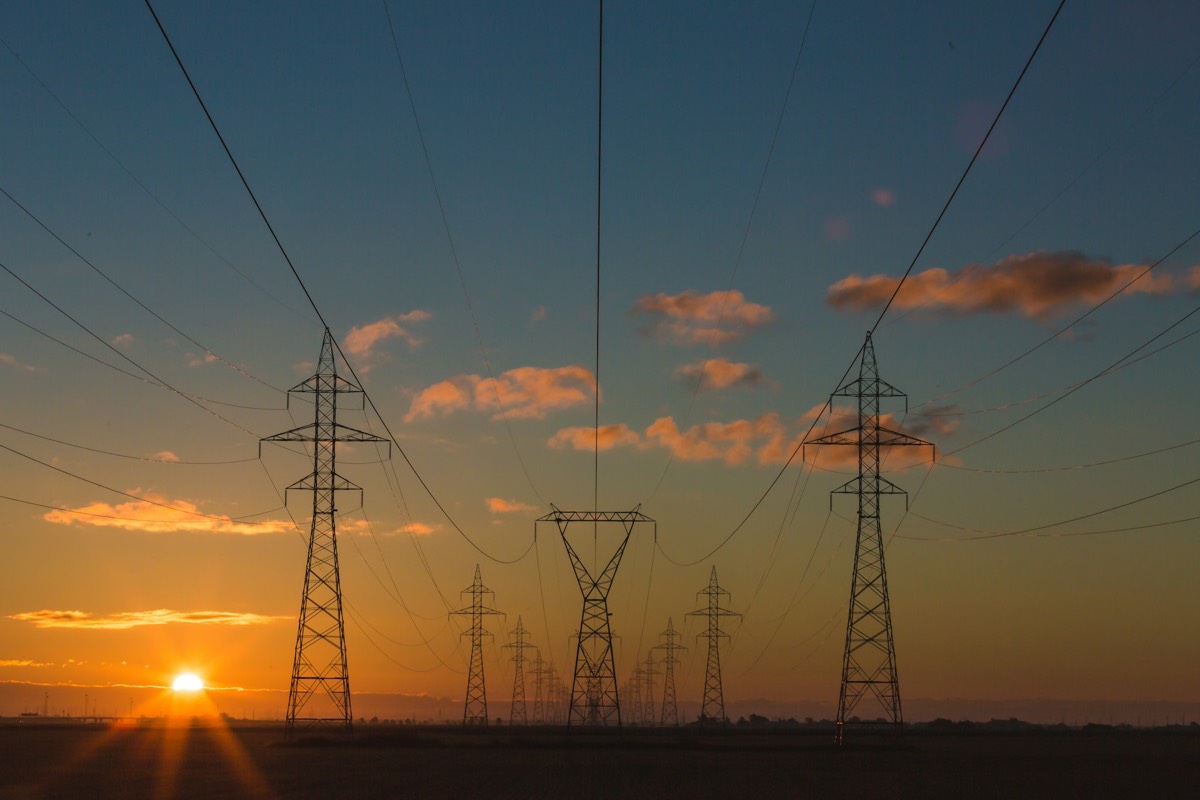
For energized substation or transmission work, we fly under FAA Part 107 with site-specific authorizations and we plan every flight against your facility’s arc-flash boundaries and approach-distance rules. A drone is a non-contact tool, but it still flies over energized equipment: your safety program governs how we operate.
Commercial roofing companies (post-storm and pre-warranty surveys), electrical utilities (substations and transmission), industrial facility maintenance teams (steam, refrigeration, motor diagnostics), building-diagnostics firms (insulation audits, moisture intrusion), and fire investigators (post-fire hot-spot location and structural overview).
Our FAA-certified pilots are ready to deploy. Get your free site assessment today.